Blog
Is Emergency Water Extraction Worth the Cost?
When Water Is Spreading by the Minute
It’s 10:30 p.m. in Anaheim, California. A supply line bursts under the sink. Water begins soaking into cabinets, flooring, and baseboards. Within minutes, what started as a leak turns into standing water.
The first question most homeowners ask isn’t about equipment or drying timelines. It’s about cost. Is emergency water extraction really worth paying for after-hours service rates? Or can it wait until morning?
The short answer: timing changes everything. But to understand why, you need to see how water damage progresses and how emergency extraction affects the total restoration bill.
What Emergency Water Extraction Actually Does
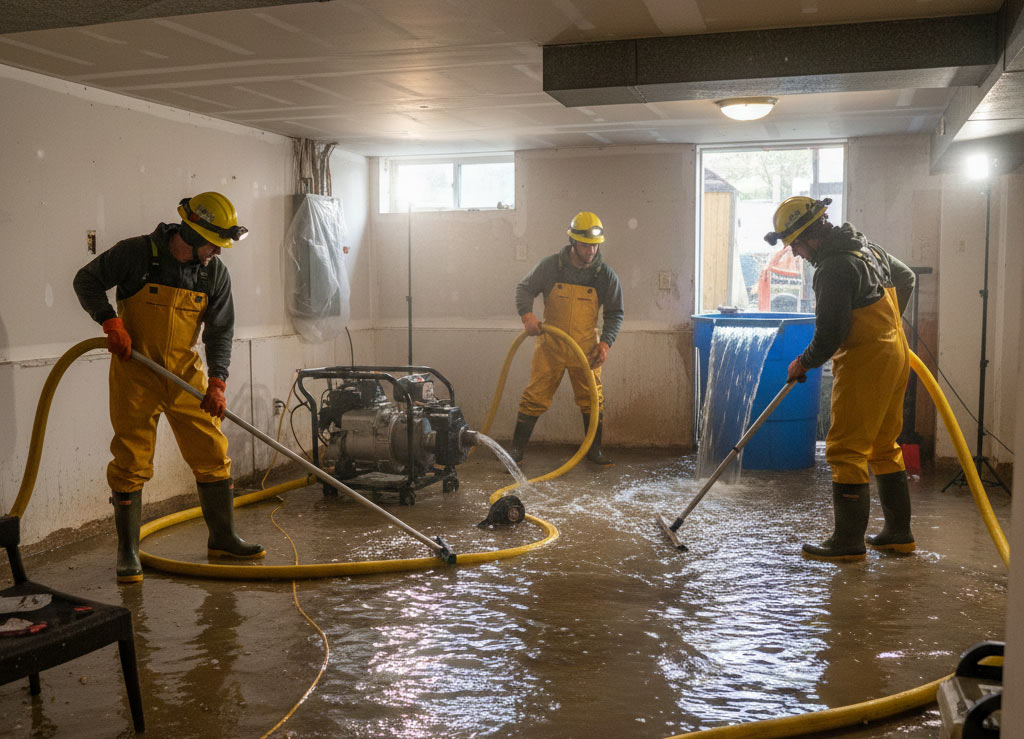
Emergency water extraction is the immediate removal of standing water using commercial-grade pumps, vacuums, and moisture detection equipment.
It is not the full restoration process. It is the first, time-sensitive step designed to:
Remove bulk water quickly
Prevent moisture migration into structural materials
Reduce the risk of mold growth
Minimize demolition later
In Anaheim homes with slab foundations and engineered flooring, fast extraction can mean the difference between drying materials in place and tearing them out entirely.
How Water Damage Escalates Without Immediate Action
Water damage doesn’t remain static. It spreads and penetrates.
Within the first few hours, water can:
Seep into drywall and insulation
Travel beneath flooring
Soak into cabinetry bases
Enter wall cavities
Within 24–48 hours, mold growth becomes possible.
The cost difference between early extraction and delayed response can be substantial because materials that could have been dried may become unsalvageable.
Comparing Immediate Extraction vs. Delayed Cleanup
The financial impact becomes clearer when comparing two scenarios.
Waiting may save on after-hours fees but increase structural drying time, reconstruction scope, and mold remediation needs.
The Real Factors That Determine Whether It’s Worth It
Whether emergency water extraction is worth the price depends on several key variables.
1. Source of the Water
If the water is clean from a supply line, immediate extraction can prevent escalation.
If the water is contaminated (sewage or storm runoff), quick removal becomes even more critical to limit hazardous exposure.
2. Volume of Water
A minor spill affecting one small area may not require full emergency service.
However, large-volume water from:
Burst pipes
Appliance failures
Slab leaks
Roof intrusion during storms
can spread rapidly across multiple rooms in Anaheim homes, especially those with open layouts.
3. Flooring and Material Type
Material type significantly impacts urgency.
Hardwood flooring, laminate, and custom cabinetry absorb water quickly. Delays increase the likelihood of swelling, warping, and permanent damage.
Tile flooring may appear safe, but water can migrate underneath to the subfloor.
4. Insurance Considerations
Most homeowners insurance policies in Anaheim, California cover sudden water damage events.
Emergency extraction may be covered when:
The damage is accidental and sudden
The loss is reported promptly
Documentation is provided
Delaying service can complicate claims if additional damage is deemed preventable.
A Cost-Benefit Breakdown
To decide if emergency water extraction is worth it, consider the potential savings from early intervention.
Reduced Demolition Costs
Faster drying means fewer materials require removal.Lower Mold Remediation Risk
Preventing mold growth avoids separate remediation expenses.Shorter Drying Timeline
Less saturation reduces equipment runtime and labor hours.Faster Return to Normal Living
Shorter disruptions mean less inconvenience and possible hotel stays.
In many cases, the upfront emergency cost offsets larger secondary repair expenses.
When Emergency Extraction Is Absolutely Necessary
Certain situations require immediate action regardless of time or day.
Standing water deeper than one inch
Water affecting multiple rooms
Ceiling collapse risk
Electrical hazard concerns
Water entering from roof storm damage in Anaheim
In these cases, waiting increases both cost and safety risk.
When It Might Be Reasonable to Wait
Not every water incident requires midnight dispatch.
You may be able to wait until morning if:
The water source is stopped immediately
The affected area is small
Materials are non-porous
There is no structural saturation
However, even in minor situations, a professional moisture inspection the next day is strongly recommended.
How Anaheim’s Climate Impacts Urgency
Anaheim’s relatively warm temperatures can accelerate drying — but also accelerate mold growth if moisture lingers.
Homes with limited ventilation, sealed windows, or older insulation systems may trap humidity inside walls.
Because Orange County properties often feature slab foundations, water can migrate sideways rather than downward, spreading further than expected.
This makes early extraction especially valuable in many Anaheim homes.
FAQs About Emergency Water Extraction
How much does emergency water extraction cost in Anaheim, CA?
Costs vary depending on water volume, affected area size, and time of service. After-hours emergency calls may cost more than standard business-hour service.
Is emergency water extraction covered by insurance?
If the water damage is sudden and accidental, insurance often covers mitigation services, including extraction.
Can I remove the water myself?
Shop vacuums and fans may remove surface water but rarely address moisture inside walls and flooring.
How quickly does mold grow after water damage?
Mold can begin forming within 24–48 hours if moisture remains.
What happens after water extraction?
Extraction is followed by structural drying, monitoring, and restoration repairs as needed.
Is It Worth the Price?
Emergency water extraction isn’t just about removing water. It’s about preventing the cascade of damage that follows when moisture spreads unchecked.
In many Anaheim, California homes, early intervention reduces structural damage, shortens drying time, and prevents mold-related complications. While after-hours service may feel expensive in the moment, the long-term savings often outweigh the upfront cost.
When facing unexpected water intrusion, clarity and fast action matter. Green Restoration Solutions provides emergency water extraction and detailed moisture assessments, helping Anaheim homeowners address damage quickly while understanding the full scope of restoration ahead.

Our Services
HelpFul Links
Contact Information
Phone:
Address:
760 N Euclid St #301 Anaheim, CA 92801
Business Hours:
24/7 Emergency Availability
Service area
© 2025 All Rights Reserved | Green Restoration Solutions