Blog
Typical Water Damage Restoration Costs Explained for Homeowners
Homeowners often hear the phrase typical water damage restoration cost but rarely understand what that actually represents. It doesn’t mean the lowest price or worst-case scenario — it refers to the cost range that most real, everyday water damage situations fall into. These are the routine incidents restoration teams handle constantly: leaks caught early, moisture limited to one section of a room, and materials that can be partially salvaged rather than fully removed.
Knowing what defines a typical case helps homeowners understand why most restoration bills cluster around a certain price range. This breakdown focuses on what professionals regularly see and what homeowners should reasonably expect.
What a Typical Water Damage Situation Looks Like
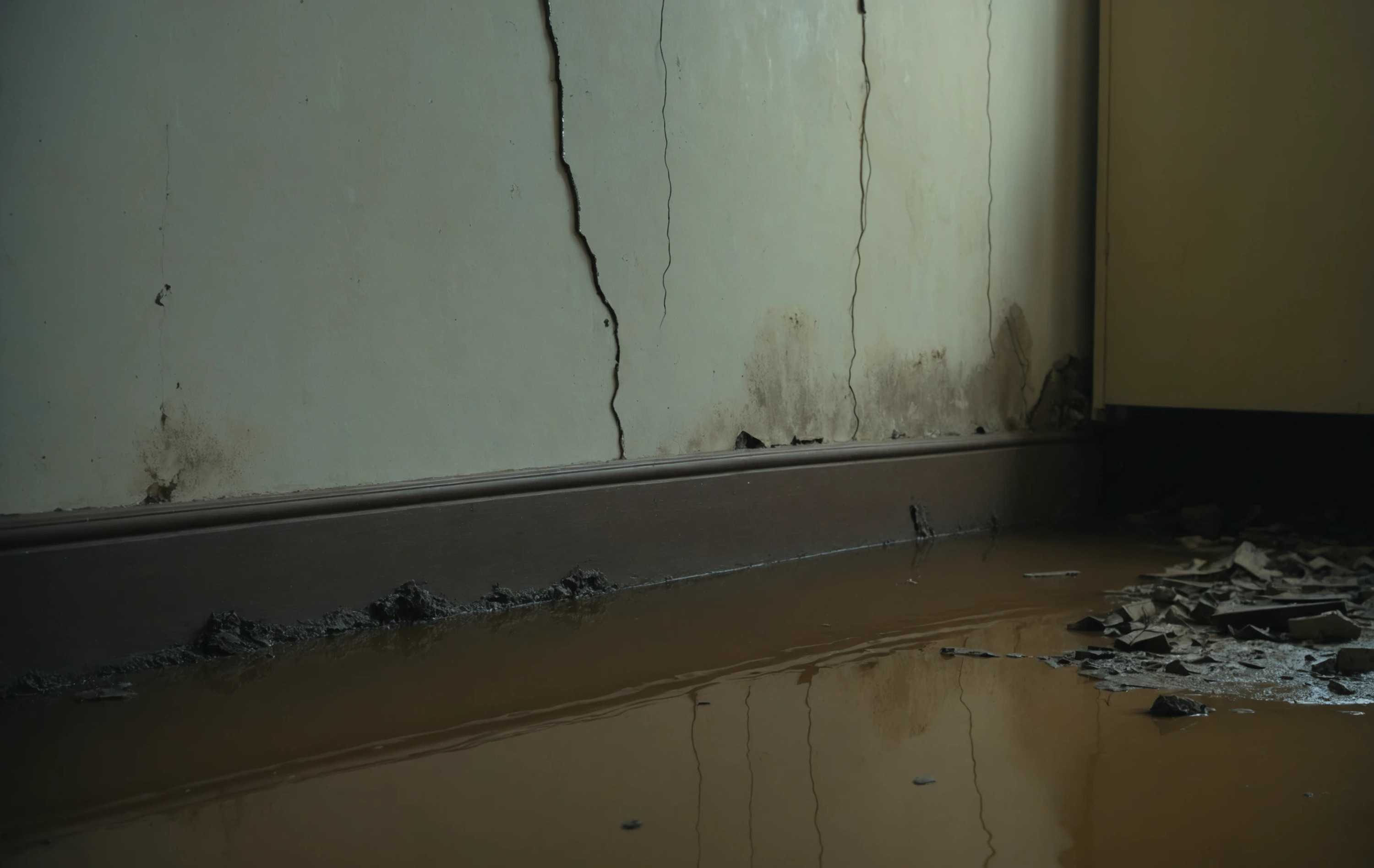
Typical water damage has characteristics that separate it from severe or unusual cases. These are the most common scenarios found in Anaheim homes and across similar residential environments.
1. The water source is manageable
Typical cases involve clean or lightly contaminated water from supply lines, appliances, or minor rain intrusion. These situations require professional attention but not hazardous-material procedures.
2. The moisture is limited in size
Water affects a section of a room or one primary area instead of spreading through several spaces.
3. Some removal is needed, but not extensive demolition
Baseboards, small drywall sections, or part of a flooring area may be removed, but full tear-outs are not required.
4. The problem is discovered relatively quickly
Moisture has not had enough time to create deep structural penetration or significant mold growth.
Typical Cost Range for Water Damage Restoration
Most homeowners dealing with a typical moisture event fall into a predictable price range.
Typical water damage restoration costs generally range from $2,000 to $5,000.
This cost bracket reflects the level of work needed to extract water, dry the structure, remove damaged sections, and complete minor repairs. It is the most common range because most incidents share similar characteristics in severity and scope.
What Services Are Typically Included in This Cost Range
The $2,000–$5,000 range usually includes a structured set of tasks. These are the services most often performed during typical restoration projects:
Extraction of pooled water in the affected area
Placement of air movers and dehumidifiers for several days
Daily moisture checks to verify drying progress
Removal of limited damaged materials, such as baseboards or the lower part of a wall
Application of antimicrobial solution when needed
Light repairs, including small patches or trim replacement
These steps form the standard workflow for restoring a space that has been moderately affected by water but not severely compromised.
Why Some Jobs Move Beyond the Typical Range
Even situations that begin as typical can increase in cost once deeper areas are evaluated. Several conditions commonly push a project upward.
1. Hidden moisture behind finishes
Water trapped beneath tile, inside wall cavities, or under cabinetry requires more removal and more drying time.
2. Sensitive or high-end materials
Hardwood, engineered wood, stone flooring, or custom cabinetry often require specialized handling or replacement.
3. Longer drying times
Older homes, dense insulation, high humidity, and plaster walls can extend the number of equipment days needed.
4. Early signs of mold
Even minimal microbial growth adds an entirely separate stage of remediation.
How Professionals Determine Whether a Job Fits the Typical Cost Range
When a restoration team arrives, they evaluate several factors to decide where the project will likely fall.
Step 1: Identify the water source
Clean or lightly contaminated water usually keeps the project within the typical range.
Step 2: Measure moisture spread
Technicians check how far water has traveled using meters and thermal imaging.
Step 3: Assess material condition
If materials can dry safely with minor removal, the job remains typical.
Step 4: Estimate equipment requirements
Jobs requiring only a few days of drying stay within the common cost range.
Step 5: Evaluate the need for demolition
Limited removal — not whole-room tear-outs — keeps costs predictable.
FAQs About Typical Water Damage Restoration Costs
Are typical restoration costs usually covered by insurance?
Yes, in many cases. Insurance generally covers sudden, accidental water events such as burst pipes, appliance failures, or unexpected leaks. If the damage results from long-term seepage, slow leaks, neglected maintenance, or groundwater entering the home, the claim is more likely to be denied. Homeowners benefit by reporting incidents quickly and documenting the timeline, since response speed affects claim approval.
How long does a typical restoration job take?
Most typical jobs require two to four days of drying equipment, followed by light repair work. The total duration depends on how quickly materials release moisture, how many surfaces were affected, and whether repairs like drywall patching or trim replacement are needed. Because these jobs do not involve extensive demolition, the overall timeline is usually short and predictable.
Does typical cost include reconstruction?
Only minor repair tasks fall within the typical cost range — such as reinstalling baseboards, patching small drywall sections, and touching up paint. Full reconstruction (new flooring, full drywall replacement, cabinet rebuilding, etc.) is billed separately and is not included in the typical mitigation cost.
What affects where a typical job falls within the $2,000–$5,000 range?
Several factors influence the exact price: how many fans and dehumidifiers are needed, how long they must run, how much demolition is required, and whether antimicrobial treatments are necessary. Homes with thicker construction materials or colder internal conditions may also need longer dry times, which adds to the equipment cost.
Is mold remediation part of typical cost?
No. Mold remediation is its own process with separate pricing. However, early-stage water events that are dried quickly usually avoid mold growth altogether. A typical-cost restoration job stays in its normal price range precisely because mold hasn’t had time to develop.
Conclusion
Typical water damage restoration costs fall into a consistent range because most household moisture incidents share predictable characteristics: early detection, limited spread, and manageable material impact. Understanding these patterns helps homeowners recognize what to expect before receiving an estimate.
For Anaheim, CA homeowners who want accurate assessments and dependable restoration work, Green Restoration Solutions provides clear communication, professional service, and reliable results.

Our Services
HelpFul Links
Contact Information
Phone:
Address:
760 N Euclid St #301 Anaheim, CA 92801
Business Hours:
24/7 Emergency Availability
Service area
© 2025 All Rights Reserved | Green Restoration Solutions