Blog
How Long Water Damage Restoration Takes: A Step-by-Step Timeline for Anaheim, CA Homes
The pace of water damage restoration depends on one thing above all: how deeply the water has worked its way into the home. Some Anaheim homeowners deal with a quick drying job that wraps up in a couple of days. Others face a longer process because water has soaked into flooring layers, walls, insulation, or concrete. The timeline changes based on the structure of the home, the severity of the moisture, and the type of work needed to make the space safe again.
Understanding the stages—and why each one takes the time it does—helps homeowners know what to expect instead of feeling left in the dark.
Why Restoration Time Isn’t the Same for Every Home
Water damage doesn’t behave consistently from house to house. The age of the home, the materials inside it, and how long the water was present all contribute to the total time required.
Anaheim homes built on slabs may dry differently than homes with crawl spaces or partially finished basements. Some materials bounce back quickly; others hold onto moisture for days. Because the conditions are never identical, the timeline varies more than most people assume.
What Determines How Long Restoration Will Take
Different factors influence how quickly a home can be stabilized and dried. Each one plays a role in shaping the pace of the project.
1. Category of Water
Clean water typically requires the shortest timeline. Contaminated water involves extra removal, cleaning, and safety steps that slow the process down.
2. Size and Layout of the Affected Area
Wide, open rooms are faster to dry. Multiple rooms, hallways, or tight spaces require more equipment and monitoring.
3. How Deeply Materials Absorbed Moisture
Surface-level moisture dries quickly; water soaked into drywall, insulation, cabinets, and flooring layers takes longer.
4. Indoor Environment
Warm, dry air speeds up evaporation. Cool or humid conditions extend equipment run time.
5. Repairs Needed After Drying
Demolition and reconstruction are separate phases that add time once the home is fully dry.
Stage-by-Stage Timeline for Anaheim Homes
Restoration usually follows a predictable order, but the time each stage takes depends on the conditions inside the home.
Step 1: Initial Assessment (30 minutes–2 hours)
Technicians examine the source of the water, identify affected materials, and measure moisture levels. This determines the scope of the project and the amount of equipment required.
Step 2: Water Removal (1–12 hours)
Extraction can be fast or slow depending on how much water pooled on the floor and where it collected. Kitchens, living rooms, and slab-on-grade homes can often be cleared quickly. Basements or areas with large volumes of standing water take longer.
Step 3: Controlled Material Removal (Same day–2 days)
If moisture has reached drywall, baseboards, carpet padding, or insulation, those materials are removed to prevent mold growth. How much demolition is needed directly affects the timeline.
Step 4: Drying and Dehumidification (2–7 days, sometimes more)
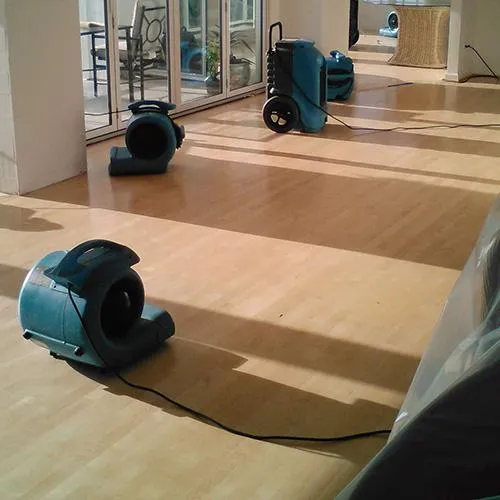
Equipment stays running until every material reaches acceptable moisture levels. Homes with tile, thick walls, or concrete floors—common in Anaheim—may require extra drying time compared to lightweight materials like drywall or vinyl flooring.
Step 5: Cleaning and Disinfection (Several hours–1 day)
If necessary, technicians treat affected areas with cleaning agents or antimicrobial products. This step is quick but essential when the water wasn’t clean.
Step 6: Repairs and Reconstruction (Several days–several weeks)
Once drying is complete, the home moves into the repair stage. Replacing drywall, flooring, cabinetry, or trim varies based on availability of materials and the size of the project.
How Different Levels of Damage Affect Time
Each situation falls into a general timeline based on the severity of the moisture and the materials affected.
Minimal Damage: 1–3 days total; small leak, clean water, no demolition needed.
Moderate Damage: 4–7 days of drying plus minor repairs; drywall or flooring may need removal.
Severe Damage: 7–14+ days of drying plus weeks of reconstruction; contaminated water or widespread saturation.
These ranges reflect common Anaheim home layouts and material types.
FAQs About Water Damage Restoration Timelines
Why does drying take longer in some Anaheim homes?
Many homes in the area use concrete slabs, tile flooring, or dense wall materials—all of which hold moisture longer than lighter materials like carpet or drywall. Cooler interior temperatures can slow evaporation as well.
Can drying take less time if the equipment runs at higher power?
No. Overheating or pushing airflow too aggressively can damage walls or flooring and cause warping. Technicians balance airflow and dehumidification for safe, controlled drying.
Does the type of flooring affect the drying timeline?
Yes. Tile and concrete need longer periods to reach safe moisture levels. Carpet dries quickly if the padding is removed, while wood flooring can require extended time or full replacement.
Do repairs begin while drying is still happening?
Repairs always start after drying. Working on wet materials traps moisture inside the structure and leads to mold or structural problems later.
Can homeowners remain in the home during restoration?
Often, yes. If the affected area is contained, the home may still be safe to occupy. Severe contamination or heavy demolition may require temporary relocation.
Conclusion
Water damage restoration doesn’t follow a one-size-fits-all schedule, but it does follow a consistent sequence. Most Anaheim homes fall somewhere between a few days of drying and several weeks of combined mitigation and repairs. Knowing what affects the timeline helps homeowners feel more prepared from the first inspection to the final walk-through.
For a fast, organized, and clear restoration process, Green Restoration Solutions provides Anaheim homeowners with reliable service and frequent updates throughout every stage.

Our Services
HelpFul Links
Contact Information
Phone:
Address:
760 N Euclid St #301 Anaheim, CA 92801
Business Hours:
24/7 Emergency Availability
Service area
© 2025 All Rights Reserved | Green Restoration Solutions